
Prostatic Artery Embolization (PAE) at IR Centers at UPNT | Arlington, TX
PAE: Minimally Invasive BPH Treatment in Arlington, TX
Prostatic Artery Embolization (PAE) is a highly effective, minimally invasive treatment for enlarged prostate (BPH)offered at the IR Centers at UPNT in Arlington, TX. The Interventional Radiology team here has performed over 1,000 PAE procedures, making this one of the highest-volume programs in Texas.
With Dr. Richard Bevan-Thomas’s urologic expertise guiding your case, you get the best of both worlds: specialist IR technique and dedicated urology follow-up to find the right treatment option for your BPH.
Understanding BPH
What Is Prostatic Artery Embolization?
At the IR Centers at UPNT, our dedicated interventional radiologist has performed over 1,000 PAE procedures, making this one of the highest-volume programs in Texas.
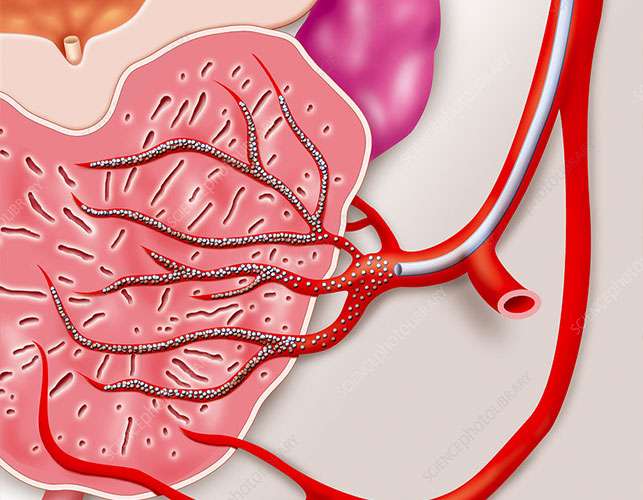
During PAE, our interventional radiologist blocks blood flow to the prostate through a tiny catheter.
PAE is unique because:
- It requires no surgical incision (a massive patient benefit).
- It is performed as an outpatient procedure (convenience).
- It is ideal for men who must remain on blood thinners (a major safety advantage over most surgical procedures).
Candidate selection
Who Benefits from PAE?
You may be a good candidate if you have:
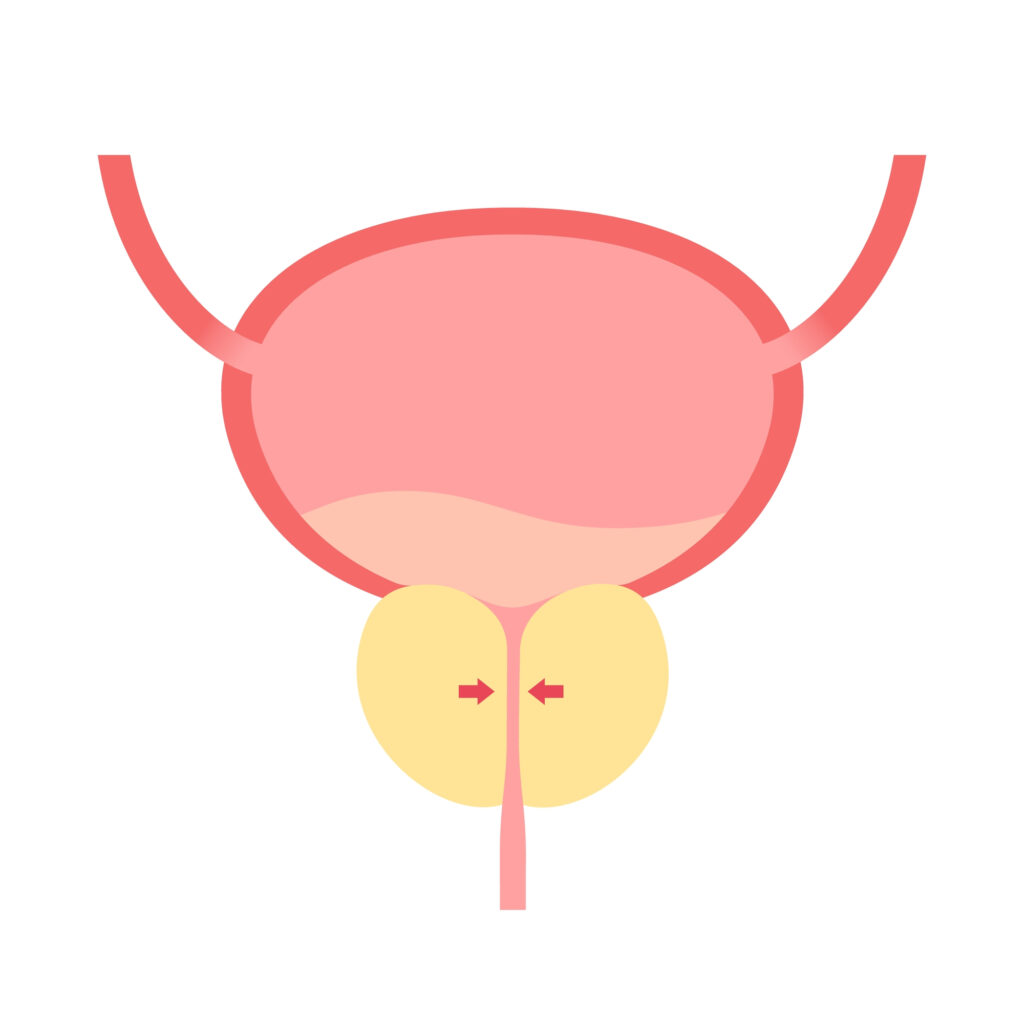
- A medium–large prostate (40–150 cc).
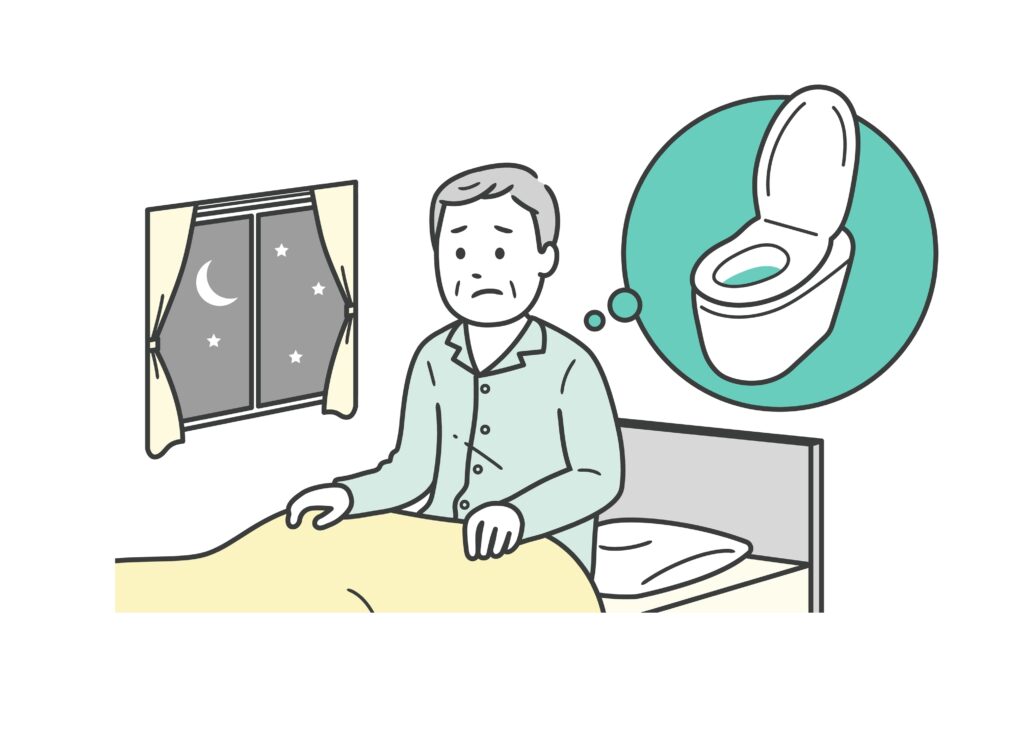
- Bothersome urinary symptoms: weak stream, urgency, frequency, nighttime trips (Nocturia).
- A strong desire to avoid invasive surgery.
- A need to remain on blood thinners.
Important Note: Men with a large median lobe or a very large prostate (≥150 cc) often do better with Aquablation® or Robotic Simple Prostatectomy. Dr. Bevan-Thomas will coordinate your diagnostic workup to determine the best option for your unique anatomy.
Quick Symptom Check & IPSS Score
| Symptom Check | IPSS Severity | Action |
|---|---|---|
| Frequent urination | 0–7 = Mild | May benefit from lifestyle changes or prostate medication |
| Weak or interrupted stream | 8–19 = Moderate | Often candidates for many BPH treatments depending on anatomy |
| Urgency or incomplete emptying | 20–35 = Severe | Should consider treatment to protect long-term bladder function |
0–7 = Mild
Monitoring or lifestyle changes
20–35 = Severe
Likely benefit from any active treatment
Doctors use the IPSS questionnaire to measure urinary symptoms. If you check 3 or more symptoms, schedule a PAE consultation at the IR Centers at UPNT.
PAE Procedure Details & Recovery Timeline
- Procedure time: ≈60–90 minutes.
- Setting: Outpatient (go home the same day).
- Anesthesia: Local + light sedation (comfortable, not fully asleep).
- Catheter use: Rarely needed.
Access Point
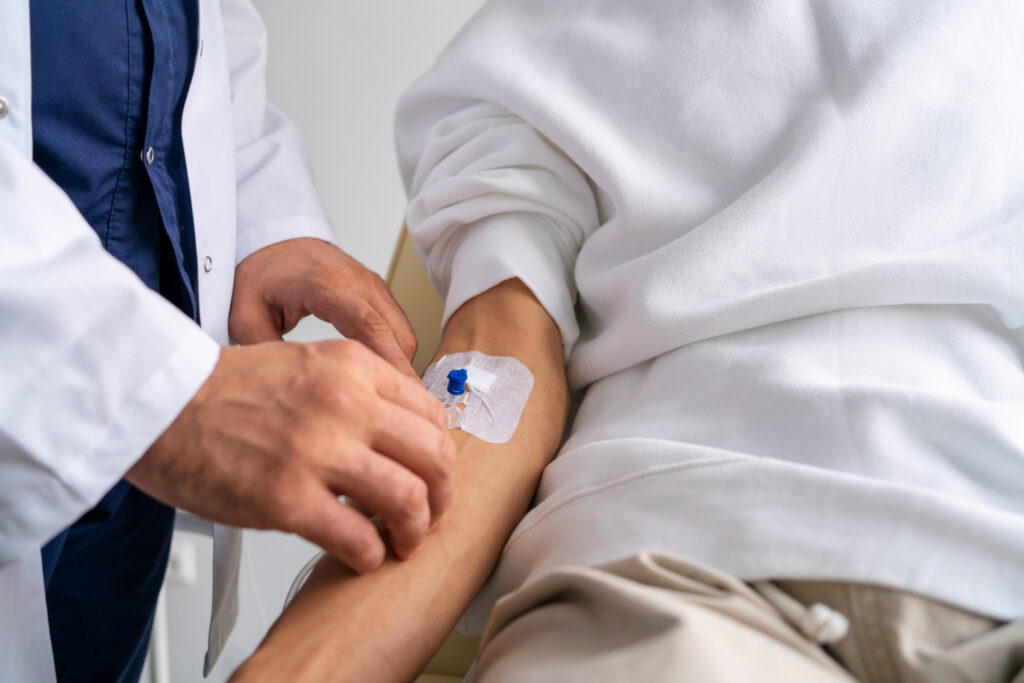
Tiny access made at the wrist or groin artery (the catheter insertion point).
Imaging Guidance
X-ray guidance (fluoroscopy) used to navigate the tiny catheters to the prostatic arteries.
Blocking Blood Flow
Microscopic beads (embolics) injected to block blood supply to the prostate, initiating shrinkage.
No Stitches Needed
Only a small bandage is required after the procedure—no stitches or sutures needed.
Aftercare: Go home same day. Mild pelvic ache for a few days (OTC meds help). Back to work in 2–3 days.
PAE VS. SURGICAL OPTIONS:
Comparing Relief, Durability, and Side Effects
| Success & Durability | PAE (IR Centers at UPNT) | Surgical Options (Aquablation®, RASP) |
|---|---|---|
| Success Rate | 85–93% at 3-12 months | Generally 95% |
| Relief Onset | Gradual (1–3 months, continued gains up to 6 months) | Immediate to a few weeks |
| Durability | Effective, but slightly less durable than surgery; higher chance of retreatment over time. | Extremely durable (<5% retreatment at 5 years for Aquablation®). |
| Sexual Function | Erections preserved; low risk of retrograde ejaculation. | Erections usually preserved; risk of ejaculatory changes varies by procedure. |
At UPNT, you get both perspectives — urology and IR — so the treatment is tailored precisely to your anatomy and bladder health.
BPH Treatment Options Compared
| Treatment | Best Fit | Relief Onset | Durability / Retreatment | Sexual Side Effects | Notes |
|---|---|---|---|---|---|
| PAE | Medium–large prostates, lateral lobes, men on blood thinners | Gradual (weeks–months) | Slightly less than Aquablation®; higher retreatment at 3–5 years | Low | Outpatient, rarely a catheter, performed at IR Centers at UPNT |
| Aquablation® | Medium–large prostates, median lobes | Immediate–weeks | Low retreatment rates; high durability | Lower risk of ejaculatory dysfunction | Robotic precision, highly effective |
| UroLift® | Smaller prostates, no median lobe | Immediate–weeks | Moderate durability; retreatment more common | Preserves ejaculation | “Curtain tie-back” implants |
| Robotic Simple Prostatectomy | Very large prostates (>150 cc) | Immediate–weeks | Highest durability (“one-and-done”) | Ejaculatory changes common | Best for the largest glands |

Experience That Matters in Arlington, TX
- IR Centers at UPNT: Our interventional radiologist has performed 1,000+ PAE procedures—unmatched volume in the region.
- Dr. Bevan-Thomas Offers the full spectrum of surgical and minimally invasive BPH solutions: UroLift®, Green Light Laser, Aquablation®, and Robotic Simple Prostatectomy. He works closely with UPNT's Interventional Radiologist regarding the PAE procedure to recommend a truly customized plan for your success.
- 866-367-8768
- 801 West I-20 Suite 1 • Arlington TX 76017
Your Next Steps
The UPNT PAE Program
Dr. Bevan-Thomas recommends UroLift® when:
- Consultation: Visit with Dr. Bevan-Thomas for evaluation (symptoms, IPSS, imaging, bladder assessment).
- Procedure: Outpatient PAE at the IR Centers at UPNT, performed by expert IR physicians.
- Follow-up: Joint care with urology + IR to track results and optimize bladder health.