Welcome to Part 1 of the DocRBT Essentials series.
Over the next three articles, I’ll walk through the three outcomes that matter most to men undergoing robotic prostatectomy for prostate cancer:
- Cancer control
- Urinary continence
- Erectile function
Today, we start with the most common concern I hear in my Arlington office
“How do we remove the cancer and still preserve my erections?”
The answer isn’t luck. It comes down to planning ahead, careful technique, and patience during recovery.
Overview
The Goal
Remove the cancer completely while protecting the delicate nerves responsible for erections.
How We Do That
A personalized surgical plan built from PSA trends, imaging, and biopsy pathology, tailored to your cancer and your anatomy.
What’s Different About My Approach
- No heat near the nerves whenever possible
- Absorbable clips instead of permanent metal
What to Know Up Front
If pills or pumps aren’t enough early on, that doesn’t mean recovery has failed. We have reliable next steps, including injection therapy, to keep things moving while healing continues.
How We Plan Before Surgery
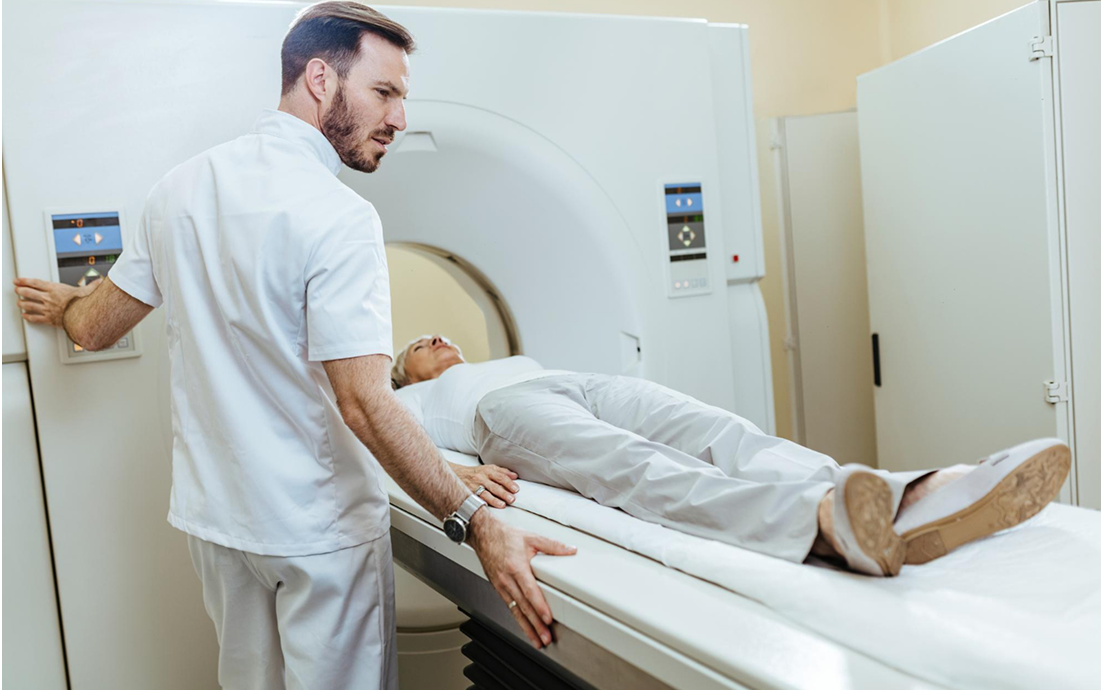
Preserving erectile function starts well before the day of surgery.
To plan safely, we look at several pieces of information together:
- PSA level and how it has changed over time
- Multiparametric prostate MRI
- Biopsy pathology (grade and volume of cancer)
- PSMA PET imaging, when appropriate
Each tells us something different.
- PSA helps estimate overall cancer burden and behavior.
- MRI shows where cancer appears to be located and whether it looks contained.
- Biopsy results tell us how aggressive the cancer is and how much of it is present.
- PSMA PET scans, when used, can reveal disease extending beyond the prostate or involving lymph nodes.
No single test gives the full picture. But when we put them together, they help us decide how close we can safely work to the prostate and how much nerve tissue we can reasonably preserve.
Robotic surgery allows careful execution — but the most important thinking happens before we ever step into the operating room.
How Close We Work to the Prostate — And Why That Matters
The erection nerves don’t exist in a single layer. They are arranged in multiple thin layers along the outside of the prostate, with some fibers right against the capsule and others sitting farther away.
I often explain this using layers of wallpaper on a wall.
Nerve-sparing during robotic prostatectomy isn’t all-or-nothing. The real decision is how close we can safely work to the prostate while minimizing the chance of leaving cancer behind.
One important reality is that we usually can’t see prostate cancer directly during surgery. Because of that, we have to make an educated decision ahead of time based on PSA behavior, imaging findings, and biopsy results.
Cancer can extend outside the prostate capsule, especially when:
- PSA is higher or rising quickly
- The cancer is higher grade
- There is a larger volume of disease
- MRI or PSMA PET findings are concerning
In those situations, we may intentionally go wider, removing more layers of “wallpaper” along with the prostate to reduce the risk of leaving cancer behind.
When PSA is lower, the cancer is lower grade and lower volume, and imaging suggests the disease is well contained, we may be able to work closer to the prostate, leaving more nerve layers behind.
The more nerve layers we can safely preserve, the better the chance erections return sooner and more completely. The balance is always between curing the cancer and preserving function.
Which layer we choose depends on PSA, MRI findings, biopsy results, and cancer grade and volume. This is why nerve-sparing decisions are individualized, not formula-based.
Why I Avoid Heat Near the Nerves
The nerves responsible for erections are extremely sensitive.
Many surgeries use electrical cautery to control bleeding. The issue is that heat spreads, and even small amounts of thermal injury can affect nerve recovery.
Whenever possible, I rely on athermal techniques:
- Cold dissection using robotic scissors
- Absorbable clips instead of permanent metal
This approach is slower and more deliberate, but it reduces unnecessary nerve trauma.
Going Home the Same Day
Most of my robotic prostatectomy patients go home the same day.
Being in your own bed, eating familiar food, and moving early improves circulation, recovery, and overall comfort.
You’re not stuck in a hospital room — you’re already moving forward.
Helping the Nerves Recover
Even with excellent nerve-sparing, the nerves often go into a temporary shutdown, called neuropraxia.
Think of it like a limb in a cast. Without use, tissue weakens.
That’s why we start penile rehabilitation early:
Daily Cialis
Supports ongoing blood flow and tissue oxygenation.
Vacuum Erection Device (VED)
Essentially physical therapy for the penis, helping prevent scarring.
Injection Therapy
If pills or the pump aren’t enough, injections bypass the nerves entirely and are very effective during recovery.
A Reality Check on Timing
Surgery won’t improve erections beyond your baseline going in. The goal is to protect what you already have.
Nerves heal slowly. Improvement often continues well beyond the first year, sometimes up to four years after surgery.
Consistency matters. Patience matters.
Looking Beyond the Operation
Robotic prostatectomy isn’t a one-day event.
It’s a process that starts with careful planning and continues through rehabilitation and follow-up. Adjusting therapy when needed and staying engaged over time makes a real difference in outcomes.
Take the Next Step
If you or a loved one has recently been diagnosed with prostate cancer, schedule a consultation so we can review PSA trends, imaging, and biopsy results together and build a thoughtful plan focused on recovery during and after surgery.
Call: 866-367-8768
Book Online: Schedule Your Consultation
Watch: Erectile Recovery Explained on the DocRBT YouTube Channel