
Expert Kidney Stone Treatment in Dallas–Fort Worth & Arlington, TX
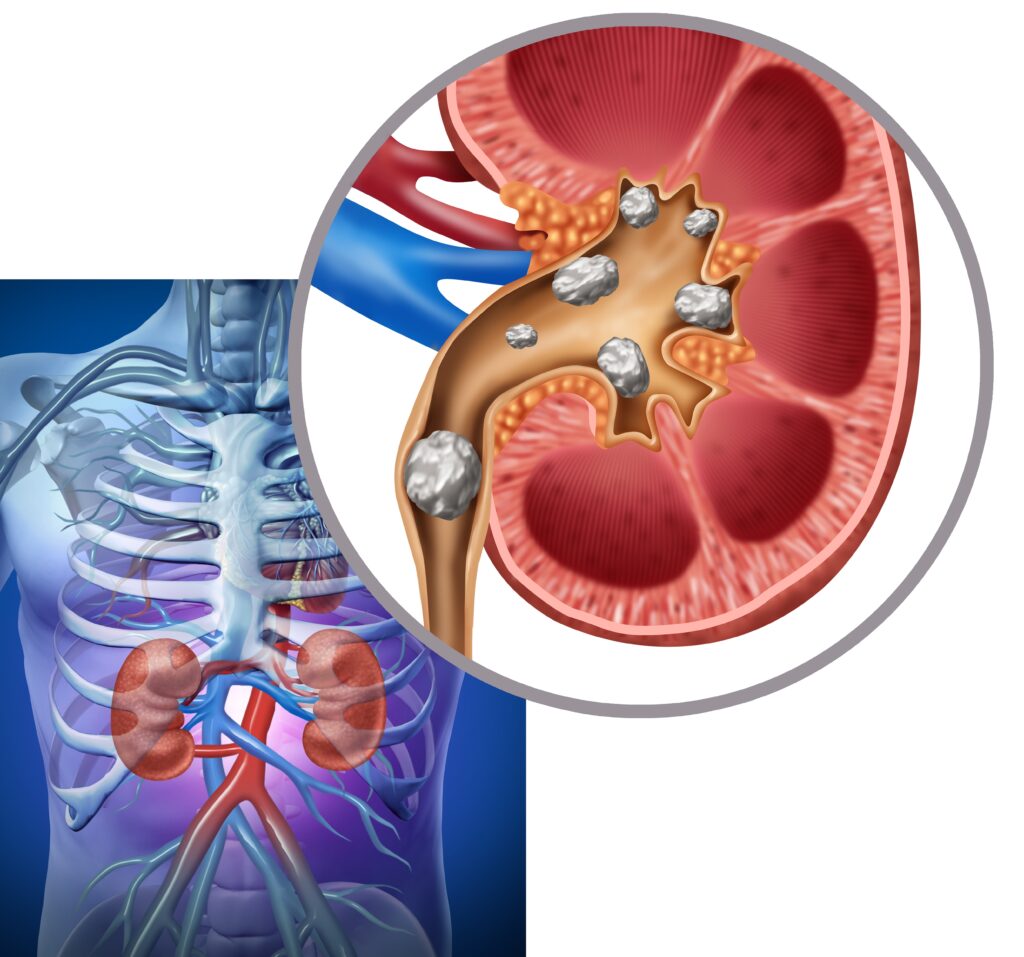
Kidney stones are among the most painful urologic conditions, often causing sharp back pain, nausea, and difficulty urinating. If left untreated, they can lead to infection or even kidney damage.
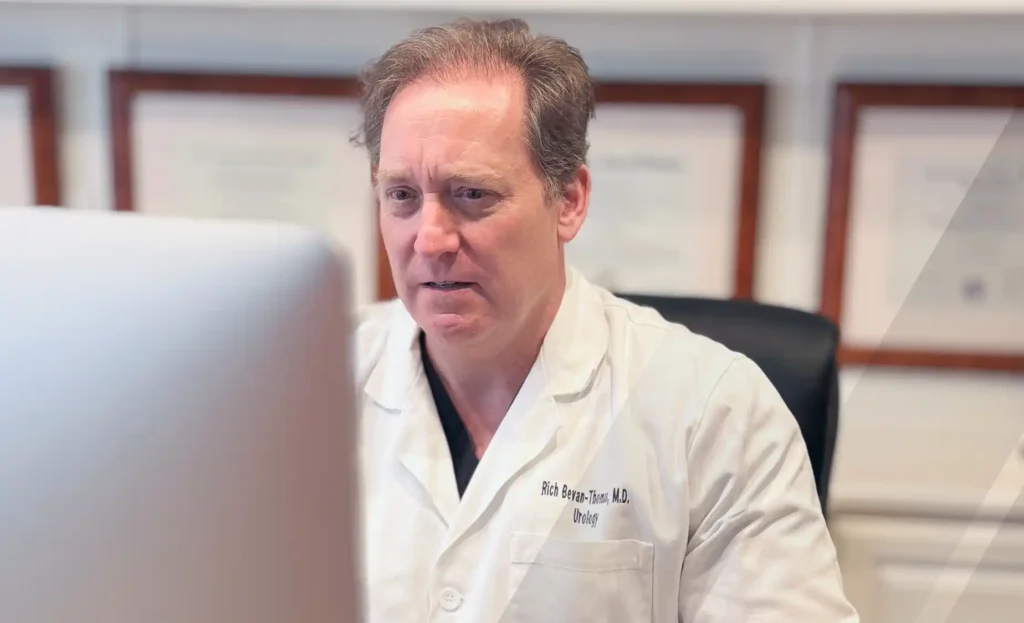
At Urology Partners of North Texas, Dr. Richard Bevan-Thomas provides rapid relief and long-term prevention using advanced, minimally invasive options, including shock wave lithotripsy (ESWL), ureteroscopy with laser lithotripsy, and percutaneous nephrolithotripsy (PCNL).
Goal: relieve pain, prevent recurrence, and protect kidney health.
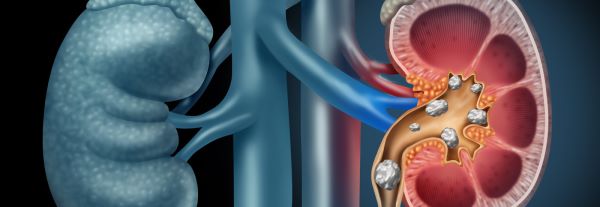
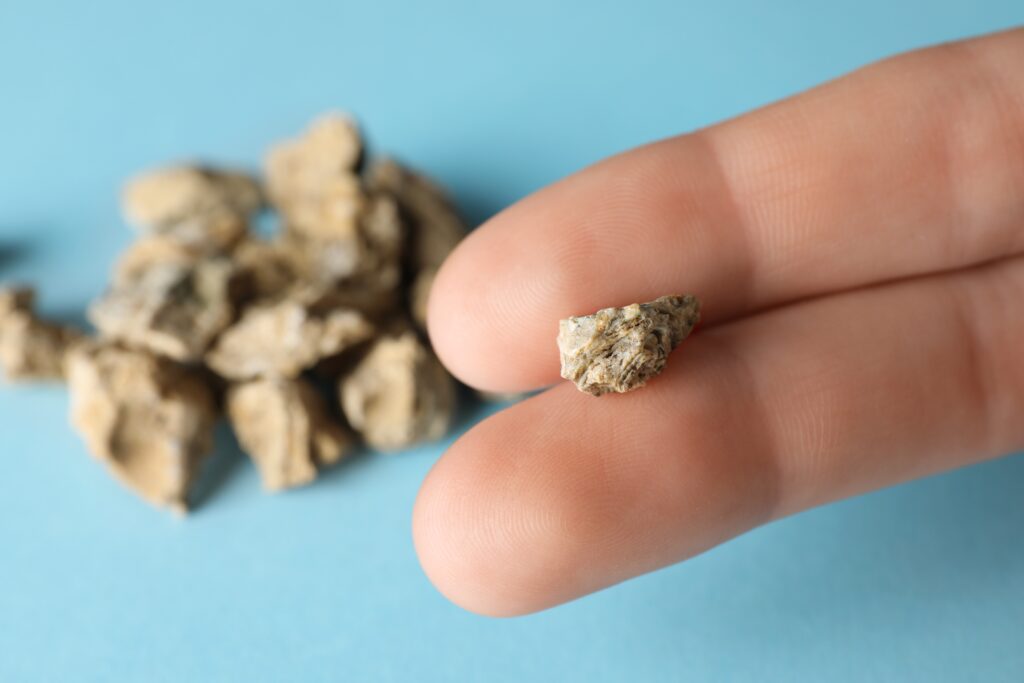
Visual representation of kidney stones obstructing the urinary tract
Understanding Kidney Stones
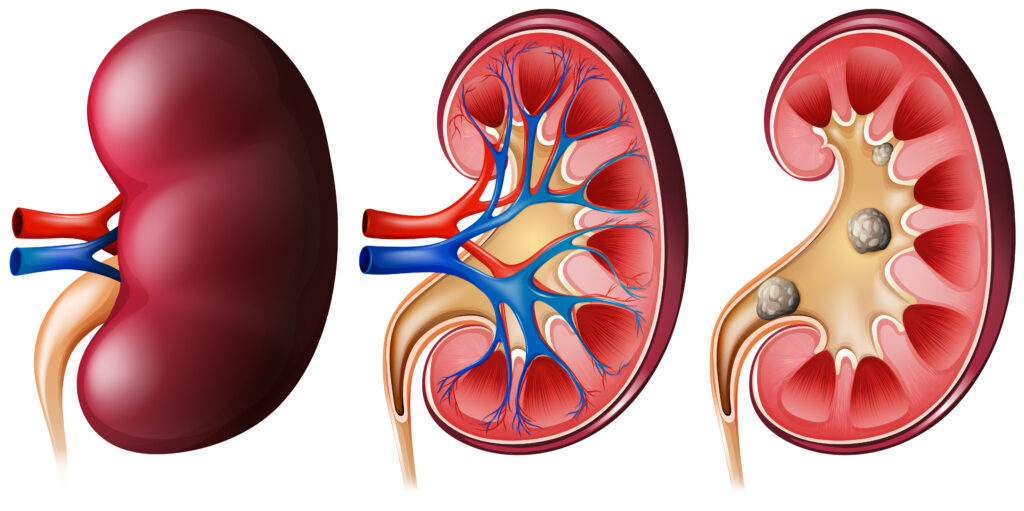
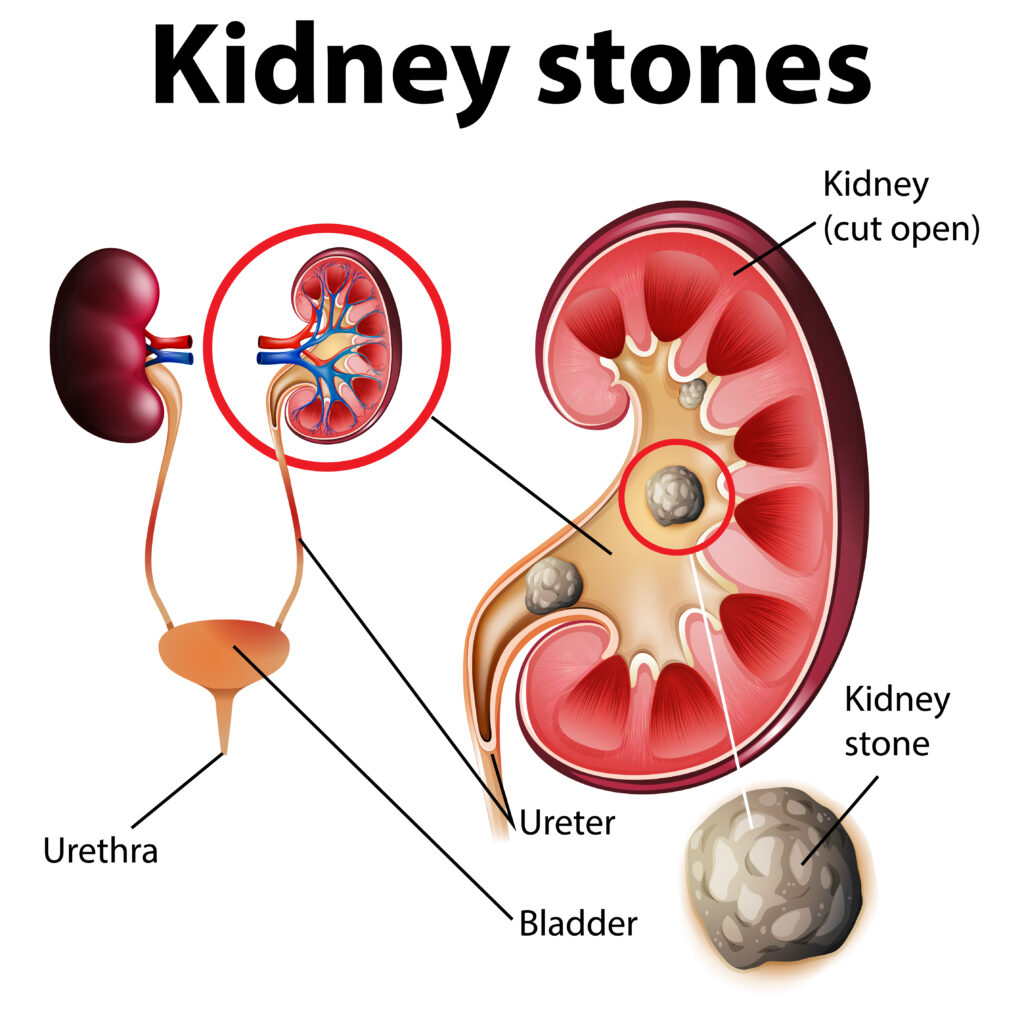
Kidney stones are hard mineral deposits that form when urine becomes too concentrated. They can range in size from a grain of sand to a marble or larger. Small stones may pass naturally, but larger ones can block urine flow and cause severe pain known as renal colic.
Common stone types include:
- Calcium Oxalate Stones: Linked to dehydration and diet.
- Uric Acid Stones: Associated with gout or high-protein intake.
- Struvite Stones: Occur after recurrent urinary tract infections.
- Cystine Stones: A Rare genetic condition caused by excess cystine in urine.
Untreated stones can cause infection, obstruction, or kidney damage — early diagnosis and intervention are key.
Common Symptoms of Kidney Stones
Symptoms often start suddenly and intensify as the stone moves:
- Sharp or cramping pain in the back or side
- Pain radiating toward the groin
- Blood in urine (pink, red, or brown)
- Persistent urge to urinate with little output
- Burning with urination
- Nausea, vomiting, fever, or chills
Safety Warning: Seek immediate care for severe pain, fever, or inability to urinate — these may signal a critical infection or obstruction. Contact Dr. Bevan-Thomas’s team immediately if these serious symptoms occur.
Causes & Risk Factors
Kidney stones form when the mineral balance in the urine shifts, allowing crystals to clump together.
Major risk factors:
- Dehydration: Concentrated urine promotes crystals.
- Diet: Diet: High salt, red meat, or oxalate-rich foods (spinach, nuts, chocolate).
- Medical conditions: Diabetes, obesity, gout, hyperparathyroidism.
- Medications/Supplements: High doses of vitamin C, calcium, or diuretics.
Dr. Bevan-Thomas evaluates every patient’s metabolic profile to design a personalized prevention plan.
DIAGNOSIS: Advanced Imaging for Kidney Stones in DFW
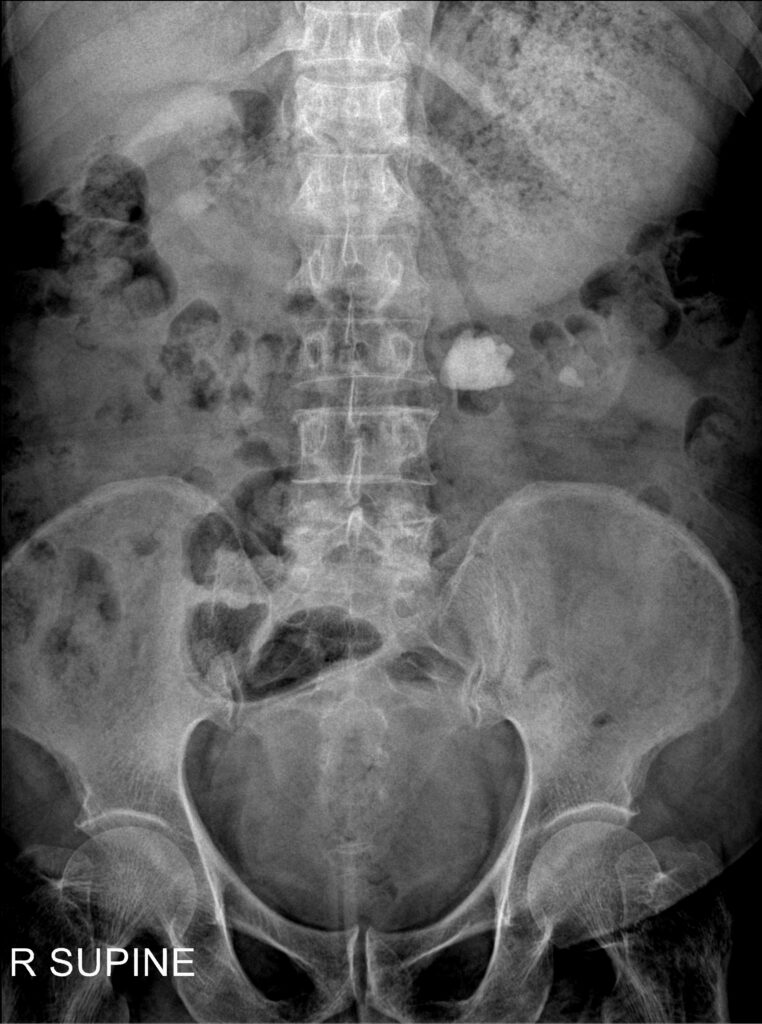
Accurate diagnosis ensures proper treatment. Dr. Bevan-Thomas recommends advanced CT imaging to determine the precise size, type, and location of each stone. Follow-up X-rays, such as a KUB, are excellent to evaluate treatment results.
Diagnostic tools include:
- CT Scan: The gold standard for detecting even tiny stones, which guides the choice between ESWL, CULLS, or PCNL.
- KUB X-ray: Used to track the progress of calcium-based stones as they pass or after treatment.
- Urine & Blood Tests: Essential for identifying infection, ruling out other causes of pain, and assessing mineral levels.
- 24-Hour Urine Test: The critical tool for detecting metabolic risk factors for recurrence, informing the long-term prevention plan.
When to Go to the Emergency Room for a Kidney Stone
Most stones are painful but not dangerous.
However, if a stone blocks urine flow and infection develops, it’s a urologic emergency.
Go to the ER immediately if you have:
- Persistent, uncontrollable pain
- Fever ≥ 101.5 °F or chills
- Nausea/vomiting with inability to keep fluids down
- Trouble urinating or no urine output
Treatment Options
Non-Surgical (Stones < 5 mm)
- Hydration & Natural Passage: 2–3 liters/day + tamsulosin (Flomax) to relax the ureter.
- Pain Control: NSAIDs or short-term prescriptions; antibiotics if infection present.
Most stones under 5 mm can pass on their own, but persistent pain warrants intervention. Dr. Bevan-Thomas typically treats patients within 24–48 hours for quick relief when necessary in the DFW area.
Minimally Invasive Procedures (Stones ≥ 5 mm)
1. Extracorporeal Shock Wave Lithotripsy (ESWL)
- Non-invasive shock waves fragment stones.
- Outpatient, under anesthesia for comfort.
- Best for stones ≤ 1.5 cm.
- Fragments pass naturally in days or weeks.
2. Ureteroscopy with Laser Lithotripsy
- Flexible scope passed through the urethra to reach the ureter/kidney.
- Laser breaks stones; fragments are removed or passed.
- No incision; outpatient; quick recovery.
3. Ureteral Stent Placement (If Needed)
- Temporary tube from the kidney to the bladder to maintain drainage.
- It may include a removable string for easy removal at home.
- Stents are replaced or removed every 4–6 months to prevent buildup.
4. Percutaneous Nephrolithotripsy (PCNL)
- For stones ≥ 2 cm or complex (staghorn).
- Tiny incision in the back to remove stones directly.
- Highest success rate for large stones.
- Short hospital stay; rapid recovery compared with open surgery.
Prevention & Long-Term Care

Once you’ve had a kidney stone, your recurrence risk increases.
Dr. Bevan-Thomas focuses on prevention and long-term kidney protection:
- Stay hydrated — aim for clear urine.
- Limit salt, animal protein, and oxalate-rich foods.
- Maintain a healthy weight and active lifestyle.
- Schedule follow-up imaging and 24-hour urine testing.
Why Patients Choose Dr. Bevan-Thomas
- 20 + years of urologic expertise in Dallas–Fort Worth
- Specialist in ESWL, laser lithotripsy, and PCNL
- Personalized hydration + dietary prevention plans
- Collaborative, rapid-access care through UPNT
- Diagnosis-to-treatment timeline is often within days
YOUR PARTNER FOR EVERY STEP: Removal & Long-Term Prevention
Even after successful removal via ESWL, CULLS, or PCNL, you need lifelong follow-up. Our goal is long-term stone prevention. If you face recurrence, we use advanced diagnostics—including the 24-hour urine test and stone analysis—to find the root cause and provide targeted medical and dietary management to keep you healthy and stone-free
- 866-367-8768
- 801 West I-20 Suite 1 • Arlington TX 76017
Frequently Asked Questions
Can kidney stones pass on their own?
Yes — small stones (< 5 mm) often pass naturally with hydration + medication. Larger stones usually require a procedure.
When should I go to the ER for a kidney stone?
Go immediately if you have a fever > 101.5 °F, chills, vomiting, or are unable to urinate — this may be an infected or obstructed kidney requiring urgent drainage.
How soon can I resume regular activity after treatment?
Most return to regular activity within 24–48 hours after ESWL or ureteroscopy; PCNL patients recover in 3–5 days.
How can I prevent stones from coming back?
Drink plenty of fluids, reduce sodium and animal protein intake, and follow up regularly with imaging and 24-hour urine testing.